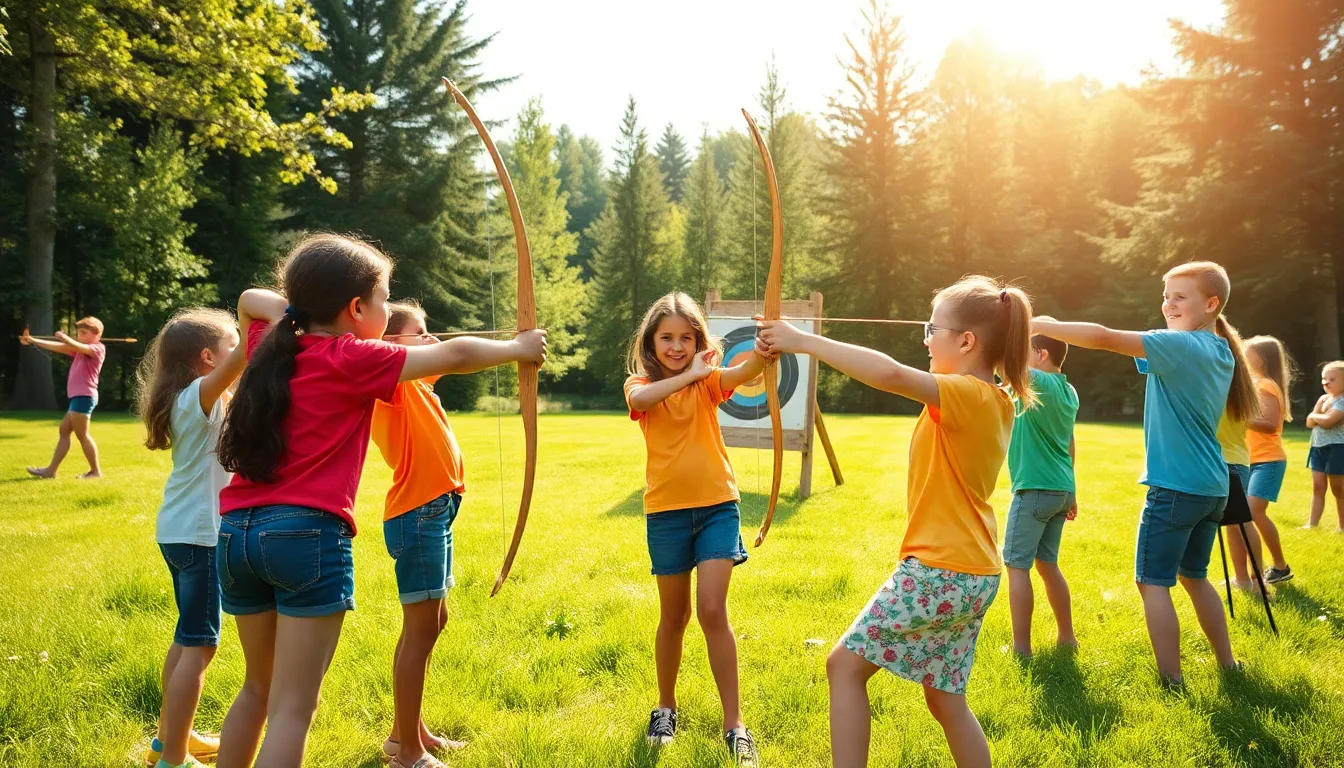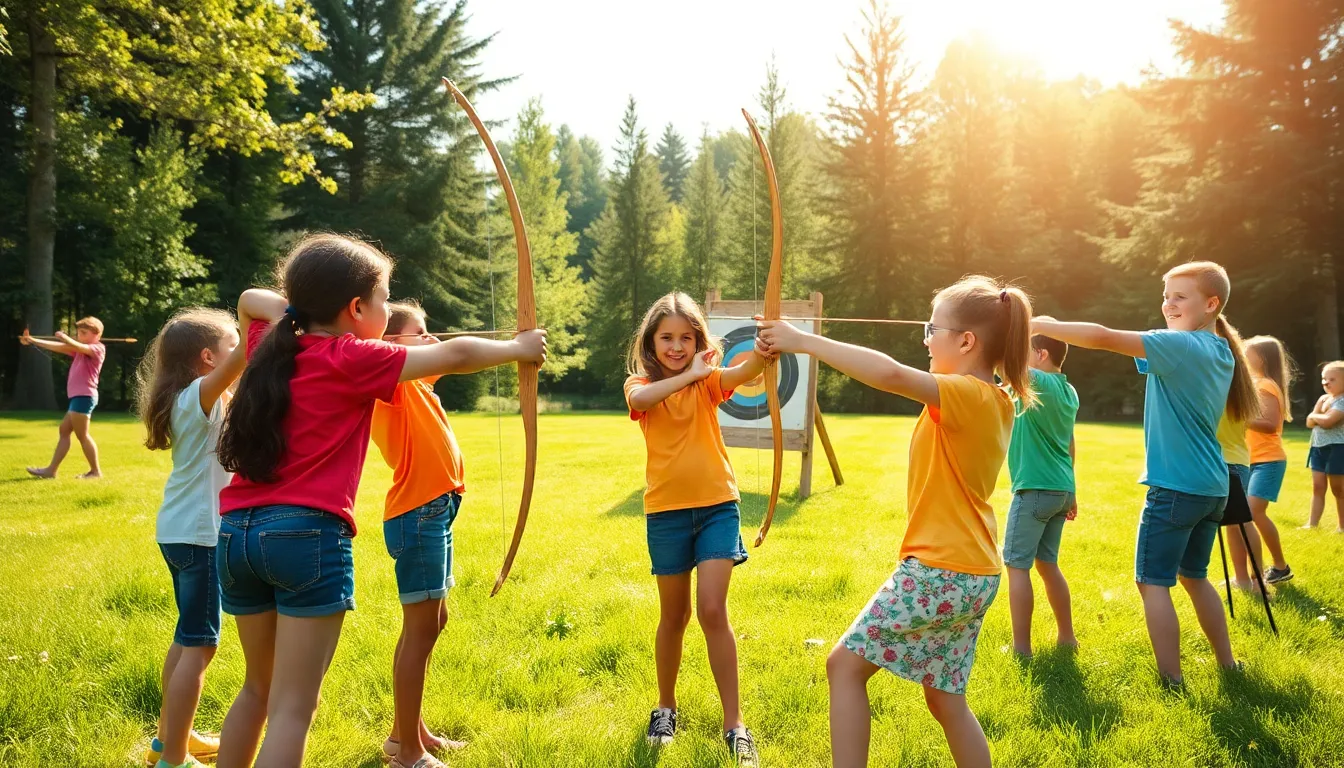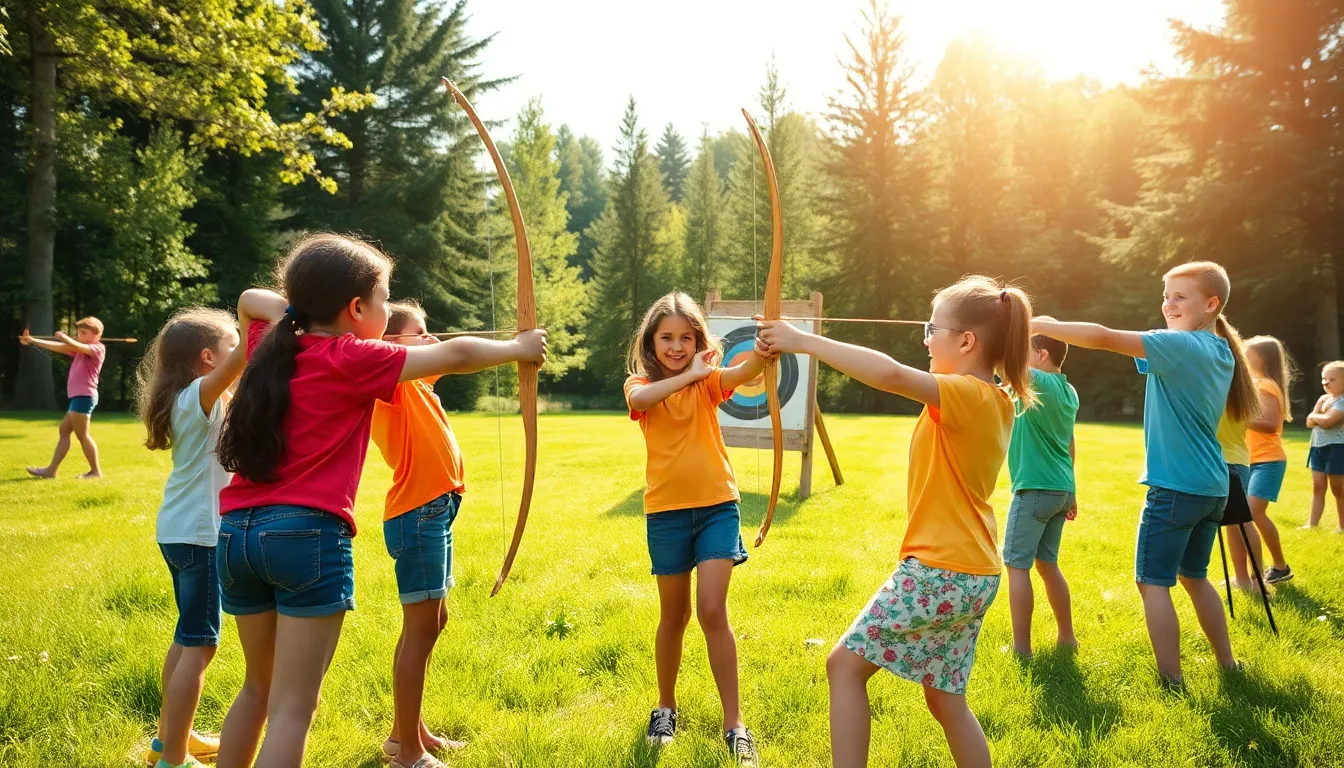
Summer camp isn’t just a rite of passage; it’s the ultimate adventure waiting to unfold. Picture this: kids trading their screens for sunshine, swapping Wi-Fi for wilderness, and diving headfirst into a world filled with laughter, friendship, and just a hint of mischief. Whether it’s mastering the art of canoeing or perfecting the secret recipe for s’mores, summer camp is where memories are made and lifelong friendships blossom.
What Is a Summer Camp Blog?
A summer camp blog serves as a platform where experiences and stories about summer camps are shared. Campers, counselors, and parents contribute posts detailing activities, lessons learned, and personal growth. Some entries highlight specific events, such as canoeing excursions or talent shows, illuminating how these moments foster connections among participants.
Readers often find tips and advice on selecting the right camp or preparing for the experience. Various topics covered include packing essentials, safety measures, and strategies for overcoming homesickness. Personal anecdotes appear frequently, providing relatable insights into the joys and challenges of camp life.
Additionally, summer camp blogs encourage community interaction. Comments sections invite dialogue among campers and families, fostering a sense of belonging. Many blogs also feature resources like guides and checklists, making them invaluable for first-time campers or parents navigating the summer camp landscape.
Images and videos commonly accompany blog posts, enriching the narrative and capturing the camp spirit. These visual elements allow readers to witness the outdoor adventures and camaraderie that define summer camps. Engaging content like this not only informs but also inspires new campers to embrace the experience.
Ultimately, a summer camp blog captures the essence of summer camp memories, emphasizing the shift from technology to nature. Through vivid storytelling and shared experiences, these blogs create a celebratory space for all those who cherish summer camp adventures.
Benefits of Following a Summer Camp Blog


Following a summer camp blog offers numerous advantages. Readers find inspiration, support, and valuable resources in these platforms.
Inspiration for Camp Activities
Engaging with a summer camp blog sparks ideas for unique activities. Finding innovative games, crafts, and outdoor adventures enhances the camp experience. Contributors often share their favorite projects, providing a treasure trove of inspiration. Campers can explore various themes such as nature exploration, team-building exercises, and creative arts, encouraging them to embrace their surroundings fully. Specific posts showcase standout experiences, from scavenger hunts to talent shows. Readers often leave energized and eager to implement these creative suggestions.
Tips for Parents
A summer camp blog serves as an essential resource for parents. They discover practical advice on selecting the right camp and preparing children for their adventure. Posts often outline packing essentials, including clothing, personal items, and comfort objects. Safety measures, such as guidelines for communication and health protocols, are commonly discussed, providing peace of mind. Parents benefit from insights into camper integration and strategies for easing homesickness. Many blogs feature testimonials and advice from experienced parents, creating a supportive community. This shared knowledge fosters informed decisions for a positive summer camp experience.
Popular Themes in Summer Camp Blogs
Summer camp blogs cover a variety of engaging themes that resonate with campers and parents alike. Each theme emphasizes different aspects of the summer camp experience, creating a rich tapestry of stories and insights.
Adventure and Outdoor Camps
Adventure and outdoor camps focus on exciting activities that encourage exploration and physical engagement. Campers develop skills through hiking, rock climbing, and canoeing, fostering a sense of accomplishment. These blogs often highlight thrilling experiences, such as conquering challenging trails or experiencing group dynamics during team-building exercises. Personal narratives capture the essence of overcoming fears and bonding with peers. Written testimonials showcase the benefits of stepping outside one’s comfort zone and embracing nature. Campers often reflect on life lessons learned from outdoor adventures, emphasizing personal growth and resilience. This theme inspires prospective campers to seek adventures and create unforgettable memories.
Arts and Crafts Camps
Arts and crafts camps center around creativity and self-expression. Campers engage in various artistic activities like painting, pottery, and graphic design. These blogs illuminate the joy of creating tangible pieces that reflect personal style. Campers share stories about exploring new materials and techniques, highlighting their artistic journeys. Personal accounts often discuss the collaborative nature of group projects, fostering friendships through creativity. Tips on showcasing campers’ creations further inspire other campers to embrace their artistic sides. Participation in these camps can enhance fine motor skills and boost self-confidence. Overall, the arts and crafts theme provides a vibrant outlet for creativity, encouraging campers to explore their passions.
How to Create Your Own Summer Camp Blog
Creating a summer camp blog involves several key steps that ensure engaging and informative content. First, select a blogging platform like WordPress or Blogger that suits your needs. These platforms offer user-friendly interfaces and various templates, making setup straightforward.
Next, choose a catchy name that reflects the essence of summer camps. A great name captures attention and resonates with both campers and parents. Aim for something memorable and relevant to your experiences.
Developing a posting schedule is essential for consistency. Regular updates keep readers engaged and informed about new stories and tips related to camp life. Consider a weekly or bi-weekly schedule to maintain a steady flow of content.
Incorporating visuals enhances the blogging experience. Use high-quality images and videos from camp activities to enrich the narrative. Capturing moments like canoeing or crafting creates a vibrant portrayal of camp life, inviting readers to feel the excitement.
Writing authentic stories is crucial. Share personal anecdotes, fun events, and lessons learned during camp. Authenticity fosters connection among readers, encouraging them to share their stories and experiences.
Promoting community interaction increases engagement. Encourage comments and discussions, allowing readers to connect over shared experiences and suggestions. Responding to comments helps build a loyal audience.
Utilizing social media amplifies the reach of the blog. Share posts on platforms like Instagram and Facebook to attract more readers and foster a community around summer camp themes. Using relevant hashtags increases visibility and engagement.
Lastly, always provide helpful tips and resources. Posts about packing essentials, safety measures, and strategies for overcoming homesickness resonate with parents and campers. Informative content adds value, making the blog a trusted resource during the summer camp journey.