Imagine biting into something so delicious it makes your taste buds do a happy dance. That’s the magic of sadatoaf taste. It’s not just food; it’s an experience that tickles the palate and brings joy to every meal. If you think taste is just about flavor, think again. Sadatoaf taste is a whole vibe, a culinary adventure that’s both quirky and delightful.
In a world where blandness reigns supreme, sadatoaf taste stands out like a flamingo at a pigeon convention. It’s the perfect blend of unexpected flavors that’ll have you questioning why you ever settled for the ordinary. Join the ranks of food enthusiasts who’ve discovered this tantalizing sensation and get ready to elevate your dining game. Whether you’re a seasoned foodie or a curious novice, sadatoaf taste is here to redefine your culinary journey.
Understanding Sadatoaf Taste
Sadatoaf taste represents a unique culinary phenomenon that captures emotions intertwined with flavor. It encompasses a range of sensations that elevate food beyond basic nourishment.
Definition of Sadatoaf Taste
Sadatoaf taste refers to a harmonious blend of diverse flavors that evoke deep enjoyment in dining experiences. This taste combination challenges traditional palettes by introducing unexpected elements, igniting curiosity and excitement. Chefs often experiment with ingredients to create dishes that embody sadatoaf taste, showcasing contrasts such as spicy, sweet, and savory in balance. Explorers of this taste find that each bite unveils a new layer, turning meals into delightful discoveries.
Cultural Significance
Culturally, sadatoaf taste highlights the diversity in culinary traditions across the world. It symbolizes a celebration of local ingredients, customs, and flavors, encouraging communities to share their heritage. Many chefs integrate sadatoaf principles to preserve age-old recipes while invigorating them with modern twists. This fusion fosters a sense of belonging and pride among cultures, inviting diners to appreciate shared experiences through unique tastes. Culinary festivals often spotlight sadatoaf dishes, showcasing innovation and cultural storytelling.
Characteristics of Sadatoaf Taste
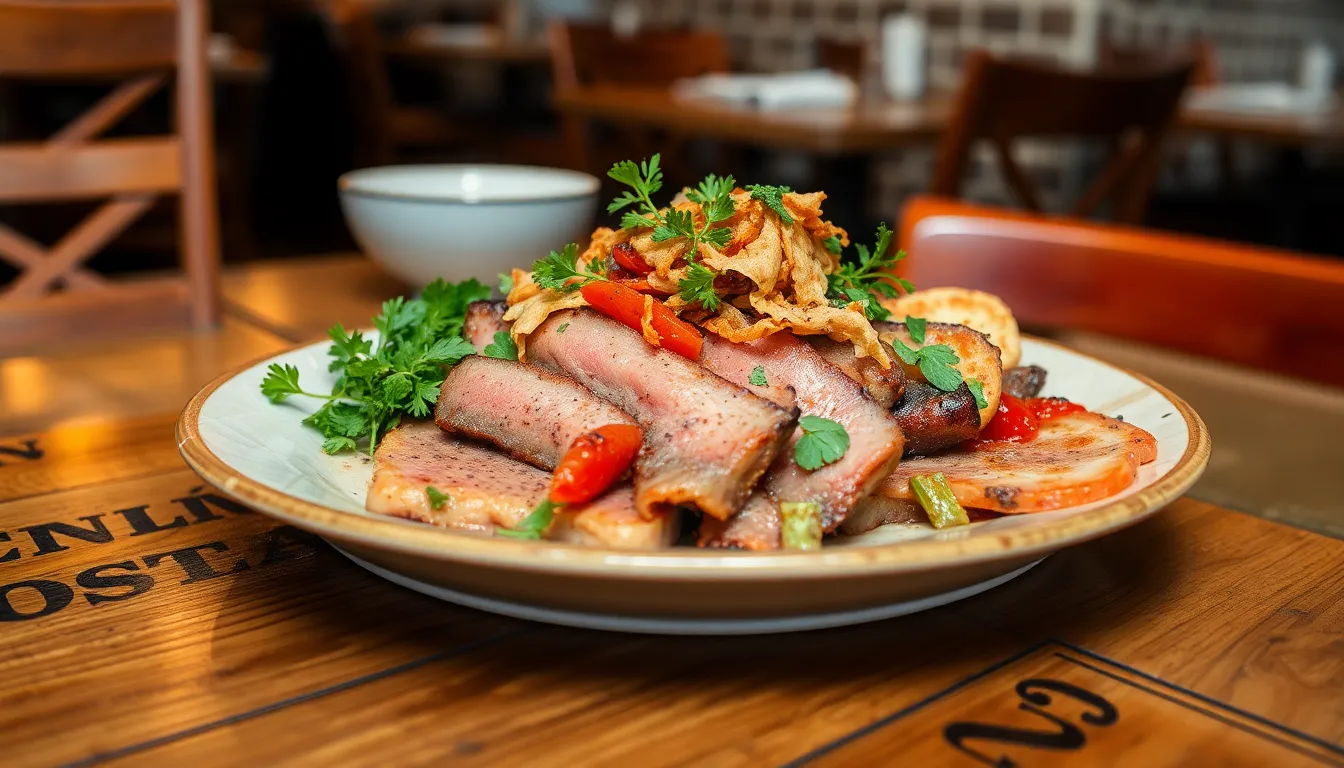
Sadatoaf taste features a rich tapestry of characteristics that elevate culinary experiences. These elements create a multifaceted flavor experience, appealing to diverse palates.
Flavor Profile
Sadatoaf taste emphasizes a dynamic flavor profile that surprises and delights. Spicy elements often dance with sweet notes, providing a balance that excites the senses. Traditional savory flavors serve as a foundation, adding depth to dishes. Chefs incorporate local spices, herbs and unexpected ingredients, pushing boundaries with every creation. This taste often evokes emotional responses, engaging diners in memorable experiences. Umami also plays a crucial role, deepening the complexity of each bite. Finding harmony among contrasting flavors enhances the overall enjoyment of meals.
Textural Elements
Textural elements significantly contribute to the essence of sadatoaf taste. Chefs meticulously craft textures to create contrast within dishes. Crunchy components add excitement while creamy elements provide smoothness, resulting in delightful mouthfeel. Dishes often combine tender and crispy textures, maintaining interest with each forkful. Additionally, layering various textures invites diners to explore complex sensations. Subtle variations in cooking methods, such as grilling or steaming, enhance the overall experience. These textural dynamics ensure that every sadatoaf dish tells its own story through both taste and touch.
Popular Dishes Featuring Sadatoaf Taste
Sadatoaf taste integrates diverse flavors into various dishes, creating celebratory culinary experiences. Several types of cuisine highlight this distinctive taste, showcasing its versatility.
Traditional Recipes
Traditional recipes often feature age-old flavors that harmonize beautifully. Regional stews combine spices and local ingredients, enhancing savory and sweet notes. Dishes like spiced lamb tagine illustrate contrast through sweet dried fruits, savory meats, and aromatic herbs. In many cuisines, rice dishes incorporate umami, with mushrooms and broths infusing deep flavor. Local celebrations frequently highlight these recipes, fostering community pride and passing heritage down through generations.
Modern Interpretations
Modern interpretations embrace innovation while honoring traditional roots. Chefs frequently experiment with fusion, blending diverse culinary influences and unexpected ingredients. Spicy roasted vegetables paired with creamy tahini sauce exemplify contemporary sadatoaf dishes. Artful plating and unique textures create stunning visual appeal as well as delightful taste. Seasonal ingredients often take center stage, ensuring fresh flavors while telling a story. Creative adaptations continue to evolve, captivating diners seeking rich, emotional connections to their meals.
The Science Behind Sadatoaf Taste
Sadatoaf taste relies on a delicate balance of complex flavor profiles and sensory experiences. This unique culinary phenomenon engages both taste and emotion.
Flavor Compounds
Flavor compounds contribute significantly to sadatoaf taste. They include a variety of aromatic compounds that create depth and richness. These compounds, found in spices and herbs, elevate dishes through layered flavors. For example, compounds in garlic and chili enhance the overall experience, adding both heat and aroma. Furthermore, pairing umami-rich ingredients like mushrooms or fermented products creates contrast that intrigues the palate. Such combinations challenge traditional perceptions of flavor, inviting diners to explore new sensory landscapes. Each ingredient plays a critical role, transforming simple dishes into extraordinary culinary experiences.
Sensory Perception
Sensory perception plays a vital role in appreciating sadatoaf taste. The brain interprets flavors, textures, and aromas, creating an engaging dining experience. Visual presentation captivates diners even before the first bite. For instance, colorful ingredients and thoughtful plating enhance anticipation. Tactile sensations, such as crunchy textures against creamy components, stimulate interest and excitement. Furthermore, the interplay of salty, sweet, sour, and bitter notes can evoke emotional responses tied to memories and culture. Chefs skillfully manipulate these sensory elements to craft memorable dishes that resonate with diners. Each tasting moment becomes a layered experience, fostering deeper connections with food.
Sadatoaf taste offers a refreshing departure from conventional dining experiences. It invites food lovers to explore a world where flavors and emotions intertwine, creating memorable meals that transcend the ordinary. By embracing this unique culinary phenomenon, diners can discover the joy of unexpected combinations and diverse textures that elevate every bite.
As chefs continue to innovate and celebrate local traditions, sadatoaf taste will undoubtedly remain a focal point in culinary exploration. This approach not only enhances individual dining experiences but also fosters a deeper connection to cultural heritage and community. With each dish, the journey of sadatoaf taste promises to inspire and delight, making every meal an adventure worth savoring.