
High school can feel like navigating a minefield, but not the explosive kind—more like the one filled with awkward encounters and questionable cafeteria food. As students juggle academics, friendships, and the occasional existential crisis, safety often takes a backseat. Yet, it’s crucial for schools to prioritize a secure environment where learning can thrive without the added stress of safety concerns.
Imagine a world where students can focus on acing that math test instead of worrying about what might happen in the hallways. From innovative safety measures to fostering a culture of awareness, high school safety isn’t just a buzzword; it’s a necessity. By addressing these issues with a blend of humor and seriousness, schools can create an atmosphere that’s not only safe but also conducive to growth and learning. After all, the only drama that should unfold in high school should come from the stage, not the hallways.
Overview of High School Safety
High school safety encompasses various measures aimed at protecting students during their educational journey. These measures focus on reducing violence, preventing bullying, and enhancing emergency response protocols. A safe school environment promotes students’ academic performance and emotional well-being.
Physical safety remains a primary concern. According to the National Center for Education Statistics, about 20% of high school students reported being bullied on school property in 2019. Addressing bullying situations through effective reporting systems allows schools to respond promptly and protect students from harassment.
Emotional safety also plays a critical role. High stress, anxiety, and fear can distract students from their studies. Mental health resources, such as counselors and support groups, contribute significantly to students feeling secure. Research indicates that students with access to mental health services show improved academic performance and attendance rates.
Emergency preparedness involves creating response plans for various situations, such as natural disasters or intruder alerts. Schools that conduct regular drills ensure students and staff are familiar with safety procedures. Implementing technology, such as surveillance systems and communication apps, bolsters security measures further.
Community involvement enhances school safety initiatives. Engaging parents, local law enforcement, and organizations fosters a collaborative environment. Programs encouraging students to report suspicious behavior or seek help establish a culture of vigilance and support.
In maintaining a safe atmosphere, administrators prioritize open communication. Regular meetings with staff and students assess safety protocols and address concerns. Continuous evaluation and adaptation of safety strategies reflect the evolving nature of school environments.
Common Safety Concerns
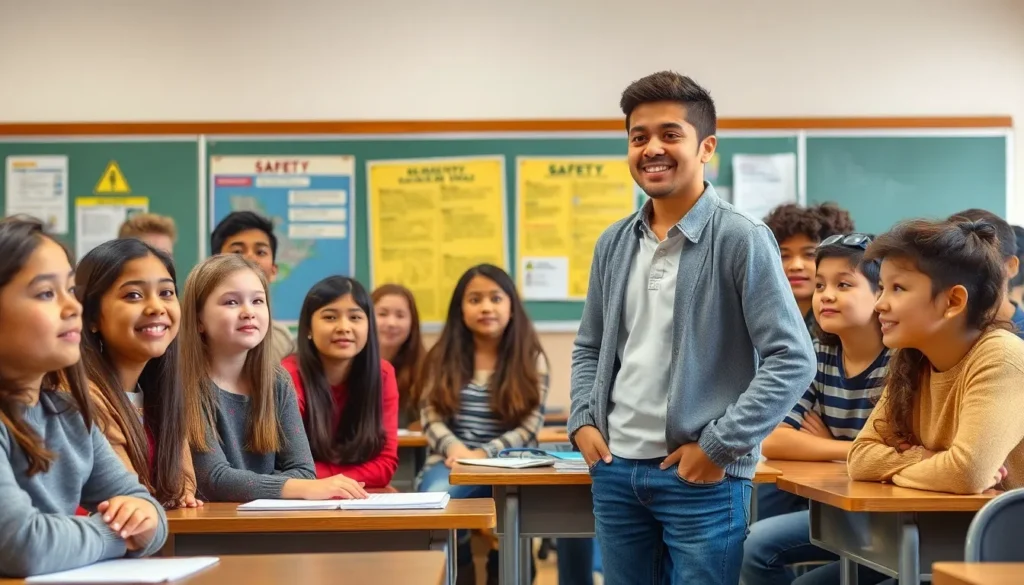
High school environments face several safety challenges, impacting students’ ability to learn and thrive. Addressing these issues is crucial for fostering a secure and supportive atmosphere.
Bullying and Harassment
Bullying affects 20% of high school students, creating an environment filled with fear and anxiety. Effective reporting systems play a critical role in helping students report incidents safely. Schools can implement anti-bullying programs to educate students about empathy and respect. Training staff to recognize signs of bullying enhances the ability to intervene promptly. Additionally, peer support groups provide safe spaces for students to discuss their experiences.
Substance Abuse
Substance abuse remains a pressing concern among high school students with 30% admitting to alcohol use. Schools need proactive approaches to address drug and alcohol education. Implementing prevention programs can help students make informed choices regarding substances. Access to counseling services allows students to seek help for addiction or related issues. Parental involvement also plays a significant role in reinforcing healthy behaviors at home.
Violence and Crime
Violence and crime issues inside high schools can disrupt learning and jeopardize student safety. Increased security measures, such as surveillance systems, assist in monitoring school grounds effectively. Safety drills familiarize students and staff with emergency response protocols, ensuring readiness during crises. Encouraging students to report suspicious activity fosters a culture of vigilance within the school community. Engaging community partners in safety initiatives strengthens school resources and support systems.
Safety Measures in High Schools
High schools prioritize safety through various effective measures, ensuring students can thrive in a secure environment.
Physical Security Enhancements
Incorporating advanced surveillance systems strengthens physical security in high schools. Schools often install security cameras at entrances and hallways for monitoring. Additionally, controlled access points limit entry to authorized personnel only. Security personnel presence enhances safety; many schools employ resource officers to create a sense of security. These officers actively engage with students, fostering trust and vigilance. Regular inspections of school facilities help identify potential safety issues. Implementing emergency communication systems ensures rapid alerts during a security incident, making a significant difference in response times.
Mental Health Support
Access to mental health resources is crucial in creating a safe high school environment. Counselors play an essential role by providing support for stress and anxiety management. Many schools facilitate peer support groups, allowing students to share experiences. Incorporating mental health education into the curriculum raises awareness and reduces stigma. Training staff members to recognize signs of distress aids in early intervention. Collaborations with local mental health organizations provide additional resources and support systems. Prioritizing mental wellbeing is vital, as it directly influences academic performance and social interactions.
Emergency Preparedness Plans
Effective emergency preparedness plans enhance student safety in high schools. Regular drills for various scenarios, such as lockdowns and evacuations, ensure readiness among students and staff. These drills familiarize everyone with procedures, creating a confident environment during emergencies. Schools often collaborate with local law enforcement for comprehensive response plans. Access to clear communication channels enables timely information during crises. Engaging students in preparedness training fosters a culture of awareness. Evaluating and updating safety plans frequently ensures they remain effective and relevant.
Role of Parents and Community
Parents and the community play a vital role in enhancing high school safety. Their proactive involvement leads to a more secure environment for students.
Communication and Involvement
Open dialogue between parents, students, and school officials fosters trust and transparency. Frequent communication about safety policies and incidents ensures everyone stays informed. Parents should actively participate in meetings, discussing concerns and sharing suggestions. Schools benefit from hosting workshops that educate parents on spotting early warning signs of distress in students. Parental engagement in safety initiatives strengthens collaboration and reinforces a sense of community.
Partnerships with Local Authorities
Partnerships with local authorities create essential support networks. Schools can collaborate with law enforcement to establish emergency response plans that reflect local conditions. Regular joint training sessions benefit both school staff and first responders, making drills more effective. Community officers’ presence at schools enhances security and builds rapport among students. Such collaborations improve overall safety and promote a shared commitment to student well-being.
Creating a safe high school environment is essential for fostering academic success and personal growth. By implementing effective safety measures and promoting a culture of awareness, schools can significantly reduce bullying and violence. Engaging the community and encouraging open communication among all stakeholders enhances trust and collaboration.
Prioritizing mental health support and emergency preparedness ensures that students feel secure and supported. With the right strategies in place, high schools can transform into safe havens where students thrive academically and emotionally. Ultimately, a commitment to safety not only protects students but also cultivates a positive atmosphere conducive to learning.