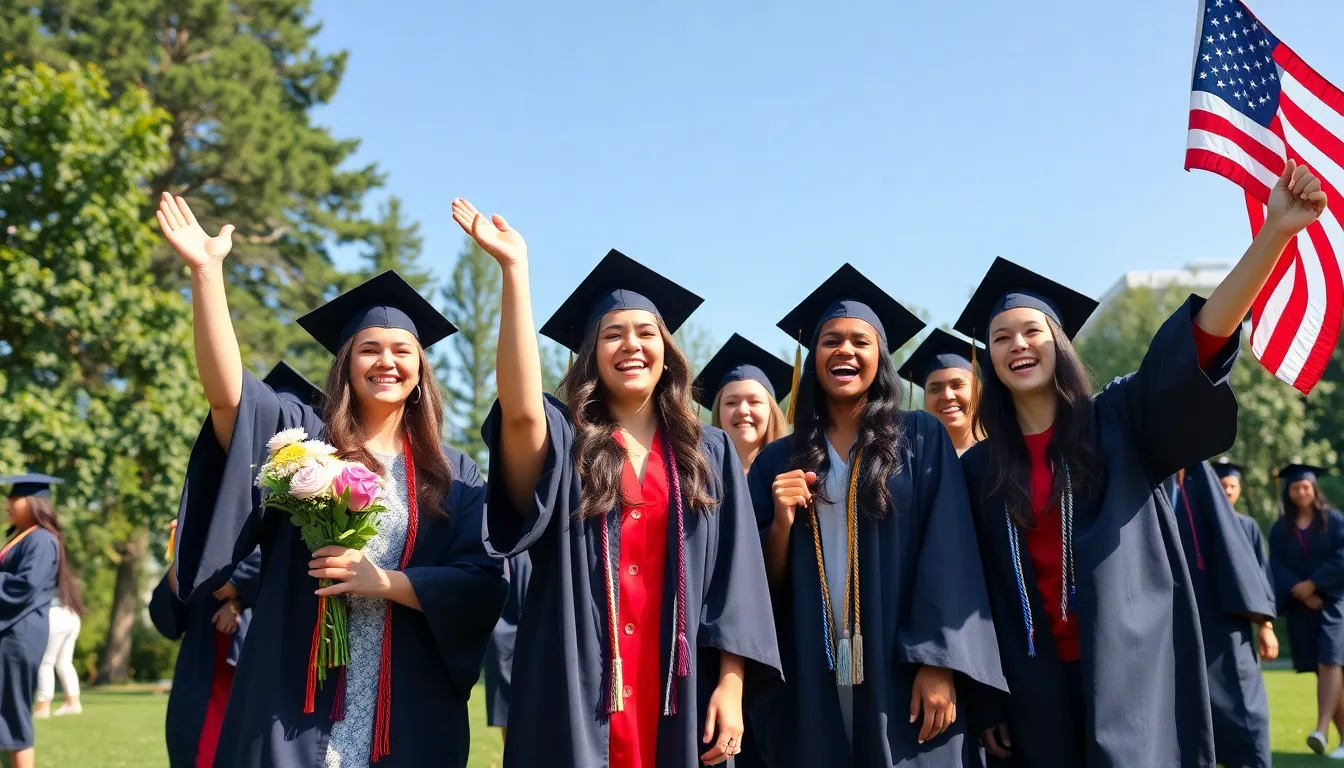
Graduating high school is like reaching the finish line of a marathon—except instead of a medal, you get a cap and gown. Planning for this milestone can feel overwhelming, but it doesn’t have to be a chaotic sprint to the finish. With the right strategies, students can glide through the process with ease and maybe even a little flair.
From choosing the perfect outfit to nailing that graduation speech, every detail counts. It’s not just about tossing a cap in the air; it’s about celebrating years of hard work and making memories that last a lifetime. So, let’s dive into the essentials of high school graduation planning, ensuring every graduate steps into their future with confidence and a smile. After all, who wouldn’t want to look back on their graduation day and think, “Nailed it!”?
Importance Of High School Graduation Planning
Planning for high school graduation enables students to celebrate their achievements effectively. Graduates can showcase their hard work through thoughtful preparations. An organized approach reduces stress and ensures a smooth experience on graduation day.
When students select outfits and rehearse speeches, they set the tone for their celebration. Strategic planning creates memorable moments for graduates and their families. Ensuring that all details align, from venue arrangements to guest lists, mitigates potential mishaps.
Research shows that graduates who engage in thorough planning report higher satisfaction levels. They express pride in showcasing their accomplishments, contributing to a positive overall experience. Students should also consider time management to balance academic responsibilities and graduation preparations.
Successful planning fosters a sense of accomplishment and boosts self-confidence. Many graduates find that being well-prepared allows them to enjoy the day without worrying about overlooked details. Preparing early enables families to capture treasured memories without the chaos of last-minute decisions.
Recognition of achievements motivates students to continue pursuing their dreams post-graduation. By facilitating well-thought-out plans, educators and families support graduates’ transitions into the next phase of life. With a clear plan in place, graduates look forward to celebrating their milestones with joy and enthusiasm.
Steps Involved In Graduation Planning

Graduation planning consists of various steps that ensure a smooth transition. Following these steps allows graduates to effectively organize their academic and celebratory tasks.
Setting Academic Goals
Establishing academic goals begins with understanding graduation requirements. They must consider credit hours, core subjects, and elective courses. Short-term and long-term objectives should align to ensure timely graduation. Regular check-ins on progress keep students accountable. Goals might also include improving grades or specific skills in subjects of interest. Lack of clarity on goals could lead to delays in fulfilling graduation criteria.
Selecting Courses Wisely
Selecting courses wisely involves assessing interests and future aspirations. Students must explore advanced placement or honors classes for challenging content. Balancing core requirements with personal interests creates a well-rounded schedule. Furthermore, considering the guidance of academic advisors can provide valuable insights into course selections. Not every course fits every student’s needs; therefore, prioritizing engaging subjects enhances motivation. Making informed decisions helps in crafting a fulfilling high school experience that aligns with long-term goals.
Extracurricular Activities
Extracurricular activities play a pivotal role in high school graduation planning. They provide opportunities for students to develop skills, foster friendships, and enhance their college applications.
Importance Of Engagement
Engagement in extracurricular activities cultivates leadership skills and teamwork. Participation in clubs, sports, and art programs promotes personal growth. Research shows that students who actively engage in these activities report increased satisfaction with their high school experience. Colleges often seek well-rounded applicants, making involvement vital for future opportunities. Building connections with peers and mentors can also enrich one’s educational journey, adding depth to academic achievements.
Balancing Academics And Activities
Balancing academics and extracurriculars is crucial for successful graduation. Students can learn effective time management by prioritizing tasks wisely. Scheduling study sessions around activity commitments ensures academic goals remain attainable. Maintaining an organized calendar with deadlines aids in avoiding last-minute stress. Choosing a limited number of activities can create space for academic focus. Monitoring progress in both areas encourages a sense of accomplishment and fulfillment. By striking a balance, students can thrive both in the classroom and beyond.
Seeking Guidance And Support
Graduation planning benefits greatly from seeking guidance and support. Utilizing available resources helps students manage their responsibilities effectively.
Role Of Counselors
Counselors play a vital role in shaping students’ graduation paths. They provide essential information on academic requirements and course selection. Through one-on-one meetings, students can gain insights into their strengths and interests. Many counselors also assist with college applications and scholarships, ensuring students explore all potential avenues. Additionally, they help identify extracurricular opportunities that align with students’ passions. Utilizing these resources leads to informed decisions that enhance the high school experience.
Involvement Of Parents
Parents’ involvement significantly impacts graduation planning. Their support can provide motivation and guidance throughout students’ high school journeys. Open communication around academic goals fosters a collaborative environment. Parents often assist with organizing schedules and preparing for important events. Actively participating in discussions about course choices can help students feel more confident. Parents can also encourage their children by attending school events and celebrations. This engagement creates a supportive network, allowing students to thrive and celebrate their achievements together.
Managing Time Effectively
Effective time management is crucial in preparing for high school graduation. Prioritizing tasks helps students balance academic responsibilities with graduation preparations. Using a planner or digital calendar aids in organizing deadlines and activities. Regularly reviewing responsibilities ensures that nothing is overlooked.
Creating a timeline for graduation tasks can keep students on track. For example, scheduling outfit fittings, speech rehearsals, and venue arrangements in advance reduces last-minute stress. Allocating specific time slots for studying enables students to maintain academic performance while planning.
Setting realistic goals further enhances time management. Breaking down larger tasks into smaller, manageable parts promotes steady progress. Addressing tasks sequentially allows students to feel a sense of accomplishment as they check items off their lists.
Combining school assignments with graduation tasks fosters a smooth workflow. Dedicating time each week solely for graduation planning lets students stay focused on their goals. Setting aside uninterrupted blocks of study time complements both academic work and graduation preparations.
Seeking help from teachers or peers can provide additional support. Asking for guidance on time management strategies often leads to valuable advice. Utilizing resources such as school counselors assists in maintaining a balanced approach to responsibilities.
Engaging in extracurricular activities also plays a significant role. Participating in clubs or sports enhances time management skills, as students learn to juggle multiple commitments effectively. Finding enjoyment in these activities can make the planning process more fulfilling.
Ultimately, mastering time management during graduation planning helps create a memorable experience. By balancing academics and celebrations, students can enjoy this milestone with confidence and pride.
Planning for high school graduation is a significant journey that deserves thoughtful attention. By embracing effective strategies and maintaining a positive mindset, graduates can navigate this exciting time with ease.
The blend of academic achievements and personal growth culminates in a celebration that reflects years of hard work and dedication. With the right support from family and counselors, students can create a memorable experience that honors their accomplishments.
As they step into the next chapter of their lives, the skills developed during this planning phase will serve them well in future endeavors. Graduation isn’t just an end; it’s a new beginning filled with endless possibilities.